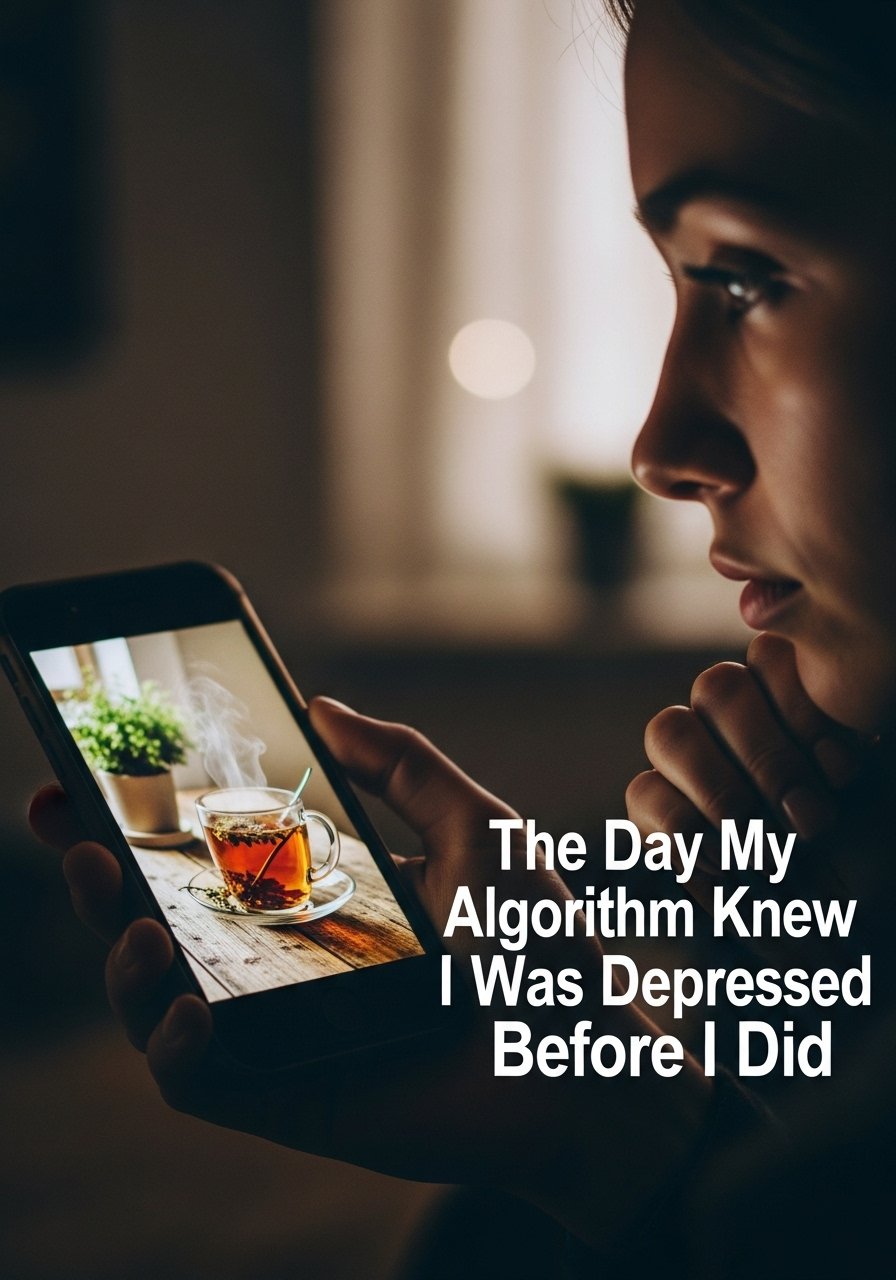
The glowing rectangle in my hand always knew. Before my therapist did. Before my closest friends, even before I truly admitted it to myself. My phone, specifically the meticulously curated feeds of Instagram and TikTok, was whispering a diagnosis I wasn’t ready to hear: You are depressed.
It started subtly. For weeks, maybe months, my explore page had been a vibrant tapestry of travel photography, intricate baking videos, and inspirational quotes about chasing dreams. My saved folders were bursting with future apartment decor ideas and complex workout routines. Then, slowly, almost imperceptibly, the algorithm shifted. The travel blogs gave way to quiet, cozy corners of rooms bathed in warm, muted light. The baking videos were replaced by comforting, simple recipes for one. The workout routines became gentle stretching guides. And the inspirational quotes? They transformed into affirmations about self-compassion, about “allowing yourself to rest,” about “finding joy in the small moments.”
I scrolled past them, sometimes with a flicker of recognition, often with a shrug. Maybe I’m just getting older, I’d think. My tastes are changing. I found myself gravitating towards ASMR videos and soft lo-fi music recommendations, seeking a quiet balm for an irritation I couldn’t name. My usual upbeat music playlists started featuring more melancholic indie artists. My targeted ads, once buzzing with weekend getaway deals, were now suggesting weighted blankets and online therapy apps.
The truly chilling part wasn’t the shift itself, but the fact that it was happening while I was still trying to project an image of perfect normalcy to the outside world. To my colleagues, I was still the efficient, positive team player. To my friends, I was still the planner, always ready for a new adventure. But in the quiet solitude of my nightly scroll, my digital self was unraveling, and the algorithm was mirroring every single fraying thread.
One evening, after another day of feeling heavy and joyless, despite no apparent reason, I was mindlessly swiping through TikTok. A video popped up: a therapist explaining the subtle signs of “high-functioning depression.” They listed things: persistent fatigue, loss of interest in hobbies, irritability, difficulty concentrating, changes in sleep patterns, a pervasive sense of emptiness. Every single point resonated with a chilling accuracy. Below it, the comments section was a flood of “OMG, this is me” and “How did you know?” And then, a sponsored ad for an online mental health platform.
It was a punch to the gut. The algorithm hadn’t just sensed my subtle shift in behavior; it had analyzed my passive consumption, the videos I paused on, the posts I scrolled past, the content I lingered on, the ads I didn’t immediately dismiss. It had built a psychological profile more accurate than any self-assessment I’d ever attempted. It knew I was searching for comfort, for understanding, for a way to articulate the vague discomfort that had settled deep in my bones.
That night, for the first time, I allowed myself to cry. Not for the algorithm, but for the version of me it had so clearly seen, the version I had been so desperately trying to hide. The next morning, I Googled therapists. I messaged a trusted friend, simply saying, “I think I’m not okay.”
It’s easy to demonize algorithms, to see them as invasive, manipulative forces. And sometimes they are. But in my case, my algorithm became an unintentional, impersonal confidante. It didn’t judge. It didn’t offer platitudes. It simply reflected back to me the truth I was living, in a language of curated content that was impossible to ignore. It created a space, however digital, for me to finally see myself, to acknowledge what was happening, and to begin the slow, arduous journey towards healing.
So, the next time your feed feels a little too tailored, take a moment. It might just be showing you something you need to see, even if you don’t know it yet.